

Reactive Maintenance Services
Blue Reactive Maintenance provides reliable reactive maintenance services, essential in facility management to keep operations running smoothly. This practice involves repairing and fixing equipment or systems after a fault or failure occurs to restore them to their optimal condition.
- Reliable Reactive Maintenance Services
- Nationwide Coverage
- Cost effective Solutions
- 24/7 reactive maintenance services
Our Service
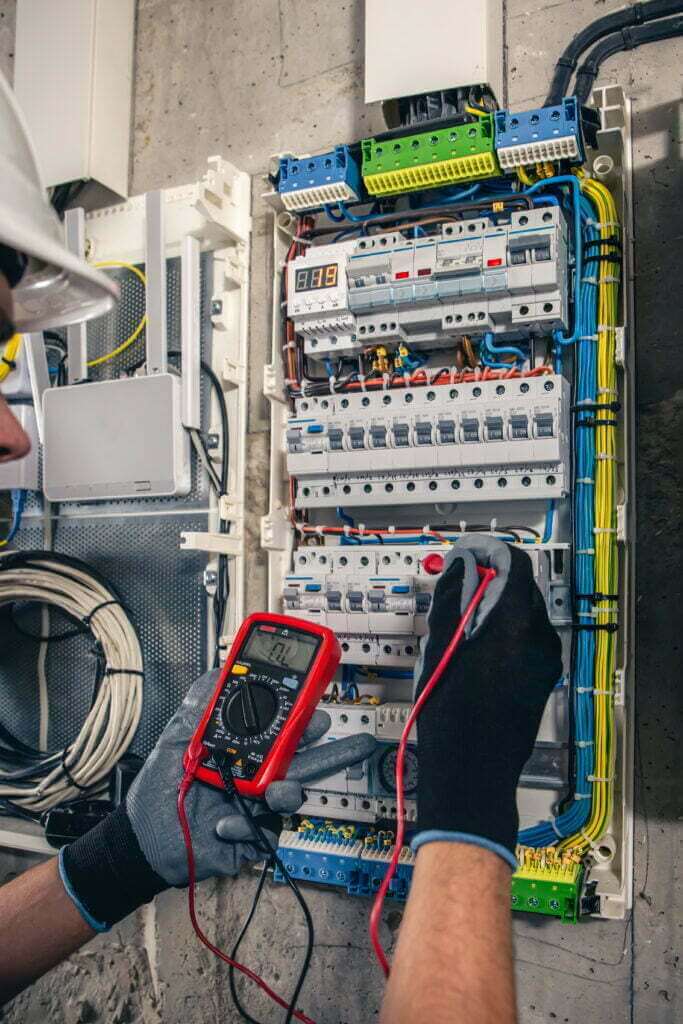
Electrical repairs
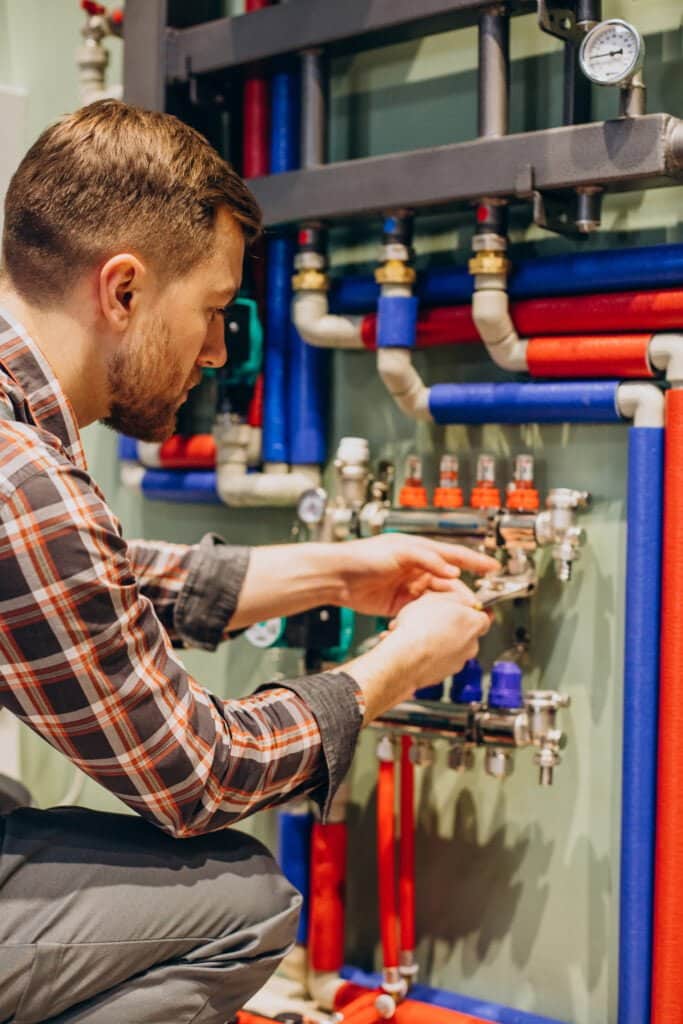
Plumbing repairs
HVAC repairs
Carpentry repairs
Window cleaning
Ground maintenance services
Pest control
Fire door repairs
Electrical repairs
- Broken electrical outlets
- Switches, and fixtures
- Damaged wiring;
- Troubleshooting electrical problems.
Plumbing repairs
- Fixing leaky pipes
- Clogged drains,
- Broken faucets
- Water heaters
- Boilers
- Troubleshooting plumbing problems.
HVAC repairs
- Fixing heating
- Cooling systems
- Air conditioners
- Ventilation systems
Carpentry repairs
- Doors
- Windows
- Cabinets
- Other wooden fixtures
Window cleaning
- Removing dirt
- Grime and other debris
Ground maintenance services
- Mowing lawns,
- Trimming hedges
- Weeding flowerbeds
Pest control
- Pests
- Rodents
- Insects, birds.
Fire door repairs
- Replace damaged fire seals
- Install new fire door
- Repair or replace faulty door closers
- Fix broken or missing hardware
- Adjust hinges and latches
- Inspect and repair fire doors to ensure compliance with fire safety regulations
professional sOLUTIONS
What is reactive maintenance?
Reactive maintenance, also known as breakdown maintenance, is a method of repairing equipment and systems after they have failed or malfunctioned. This approach is often seen as the easiest and least expensive option in the short term, but it can lead to costly repairs and downtime in the long run.
Reactive maintenance can be appropriate for equipment and systems that are not mission-critical and for which downtime is not a major concern. However, it is not recommended for important industry equipment or production situations, where downtime can have a significant impact on productivity and costs.
While reactive maintenance is an essential part of any maintenance strategy, it is important to avoid relying solely on it. A more comprehensive maintenance approach that includes preventive and predictive maintenance can help to reduce the need for reactive maintenance and improve the overall reliability and efficiency of equipment and systems.
Type of Reactive Maintenance
Emergency Maintenance
Run-To-Failure
Breakdown Maintenance
Corrective Maintenance
Emergency Maintenance
Our team are experienced technicians & available 24/7 to respond to emergency maintenance requests.
Such as:
- Repair a broken water heater to prevent flooding.
- Fix a malfunctioning elevator to avoid safety hazards and disruptions to business operations.
- Address cybersecurity breaches in a company’s systems to protect data and prevent financial losses.
Run-To-Failure
We help you to determine if a run-to-failure maintenance strategy is right for any of your assets. We will consider the risks and costs involved and help you to make an informed decision.
Such as:
- Replace light bulbs in a low-traffic area of a building when they fail.
- Allow office printers to run until they need to be repaired, as downtime is not critical.
Breakdown Maintenance
We help you to develop a breakdown maintenance plan that is tailored to your specific needs. We will work with you to identify your critical assets and develop a plan for responding to breakdowns quickly and efficiently.
Such as:
- Repair a broken air conditioner on a hot day to keep employees and customers comfortable.
- Fix a malfunctioning production line to prevent downtime and lost revenue.
- Address a software bug in a critical computer system to prevent operational disruptions.
Corrective Maintenance
We help you to implement a corrective maintenance program that is efficient and cost-effective. And will work with you to identify and correct problems quickly to prevent further damage and downtime.
Such as :
- Repair a leaky faucet to prevent water damage.
- Fix a broken door lock to improve security.
- Replace a damaged electrical outlet to prevent electrical hazards.
How should reactive maintenance fit into a maintenance program?
Reactive maintenance should be used in conjunction with preventive and predictive maintenance to create a comprehensive maintenance program. Preventive maintenance involves inspecting and servicing equipment on a regular basis to prevent problems from occurring. Predictive maintenance uses sensors and other technologies to monitor equipment conditions and predict when maintenance is needed.
Here are some tips for incorporating reactive maintenance into a maintenance program:
- Prioritize reactive maintenance requests based on the criticality of the equipment and the impact of downtime.
- Have a plan in place for responding to breakdowns quickly and efficiently.
- Use reactive maintenance as an opportunity to learn from equipment failures and improve preventive and predictive maintenance strategies.
Benefits of Reactive Maintenance
Here are some of the benefits of reactive maintenance:
Reactive maintenance is often more cost-effective than preventive maintenance, as it eliminates the need for regular maintenance checks. Businesses only pay for reactive maintenance when it is needed, which can save money in the long run.
Reactive maintenance can help to reduce downtime by quickly repairing equipment that has failed. Blue Reactive Maintenance has a team of experienced technicians who can respond quickly to breakdowns and get equipment back up and running as soon as possible.
Reactive maintenance can help to improve the lifespan of equipment by identifying and fixing problems before they cause major damage. Blue Reactive Maintenance uses state-of-the-art equipment and diagnostic tools to identify problems early on, which can help to extend the life of your equipment.
We quickly diagnose & repair problems to minimize downtime and disruption to your business
Sectors We Cover
We provide comprehensive commercial & industrial solutions to meet all your needs. Our services are provided in the following location sites:
- Concert arenas, clubs, and pubs
- Test facilities
- Residential premises
- Ground drilling sites
- Manufacturing sites
- Mass storage houses
- Production facilities
- Construction sites & buildings
- Retail stores & shopping centres
- Corporate offices & buildings
- Storage sites
- Vacant properties
- Training centres
Other services
Reactive Maintenance
24/7 Helpdesk
PPM / Planned & Preventative Maintenance
Building Compliance
Contact Us Now
Let us know what you need by filling out the form. We’ll get back to you to discuss your requirements and help you find the best solution.
About Blue Reactive Maintenance
✔ – First class customer service & experienced team
✔ – 24/7 support services
✔ – Tailored and personalised solutions
✔ – Transparency of service & cost-effective pricing
✔ – Wide range of services
✔ – Location coverage from corporate buildings to construction sites
FAQ
Reactive maintenance, also known as breakdown maintenance or corrective maintenance, is a type of maintenance that is performed after a piece of equipment or system has failed. It is the most common type of maintenance, but it is also the least efficient. Reactive maintenance can be costly and disruptive, and it can lead to equipment downtime.
Is Reactive Maintenance an Effective Maintenance Strategy?
Reactive maintenance can be an effective maintenance strategy for equipment and systems that are not mission-critical and for which downtime is not a major concern. However, it is not recommended for important industry equipment or production situations, where downtime can have a significant impact on productivity and costs.
What’s the Difference Between Reactive Maintenance & PPM?
Reactive maintenance is performed after a piece of equipment or system has failed, while preventive planned maintenance (PPM) is performed on a regular schedule to prevent equipment failure. PPM is a more proactive approach to maintenance and can help to reduce the need for reactive maintenance.
What are the benefits of reactive maintenance?
- Reactive maintenance can be less expensive than preventive maintenance in the short term.
- Reactive maintenance can be used to repair equipment that is not critical to operations.
- Reactive maintenance can be used to address unexpected equipment failures.
What are the drawbacks of reactive maintenance?
- Reactive maintenance can be more expensive than preventive maintenance in the long term.
- Reactive maintenance can lead to equipment downtime and disruption to operations.
- Reactive maintenance can be difficult to plan for and can lead to unexpected costs.
When should reactive maintenance be used?
Reactive maintenance should be used for equipment and systems that are not mission-critical and for which downtime is not a major concern. It can also be used to address unexpected equipment failures.
How can I reduce the need for reactive maintenance?
You can reduce the need for reactive maintenance by implementing a preventive maintenance program. Preventive maintenance involves inspecting and servicing equipment on a regular schedule to prevent problems from occurring.
Reactive
Maintenance Services
We offer competitive prices for reactive maintenance services, regardless of your budget.